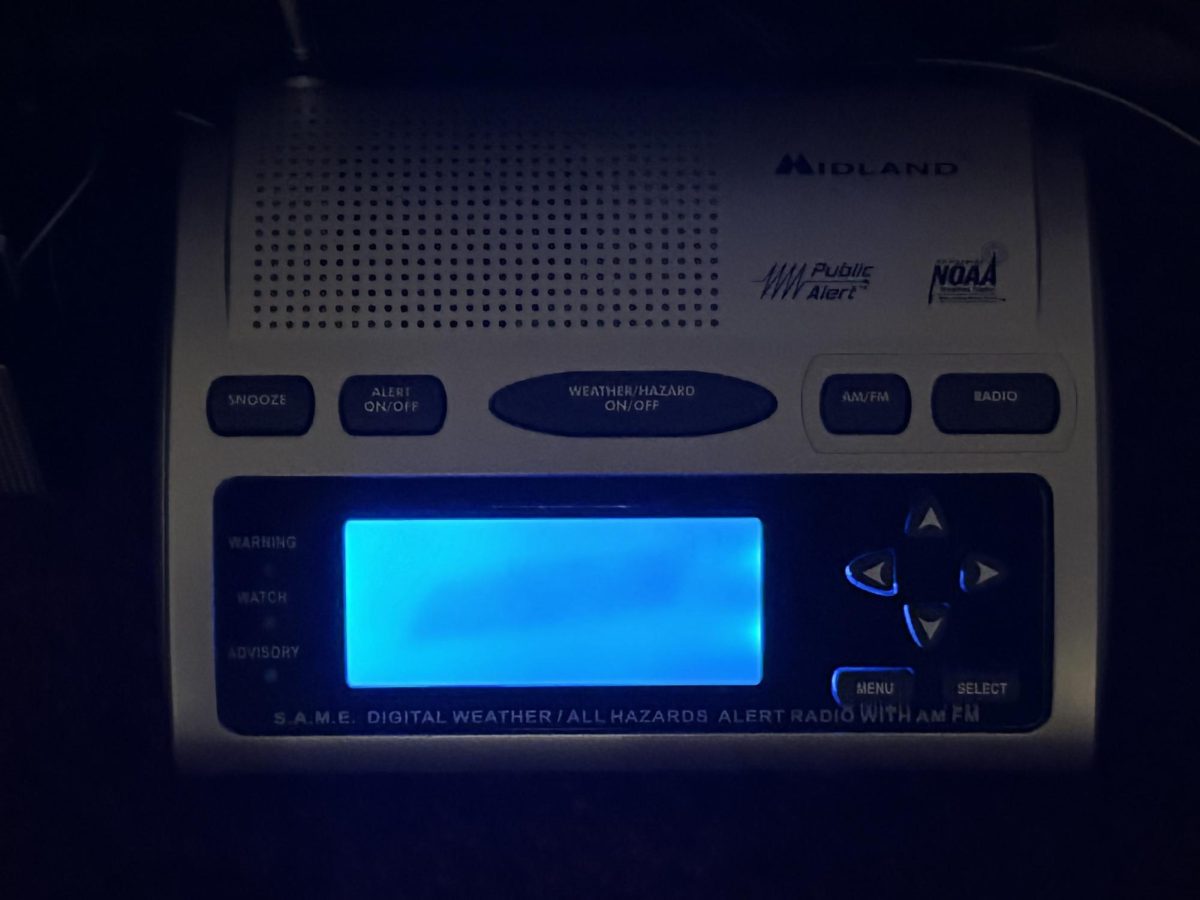
Ever had one of those times where you’ve had a really bad storm? Maybe you’ve gotten a couple of power outages during those times. Perhaps you’ve had a rotating storm in your location producing a brief twister. Each year, severe weather across the Americas only seem to be getting worse and worse as time goes on during these periods. Well, what you need is a weather radio! They come in many different colors, designs, sizes, and quirks. Let’s dive in, shall we?
What is a weather radio?
A weather radio is a specific type of device designed to protect lives of people in cases of an emergency, both weather and sometimes non-weather related dangerous situations. Some even can charge using solar panel, built with flashlights and SOS lights and alert sounds. It connects to radio signals from transmitters all over the country, other USA territories, and even Canada. The following frequencies are the frequencies that All Hazards NOAA Weather Radio and Weatherradio Canada broadcast on:
162.400 MHz
162.425 MHz
162.450 MHz
162.475 MHz
162.500 MHz
162.525 MHz
162.550 MHz
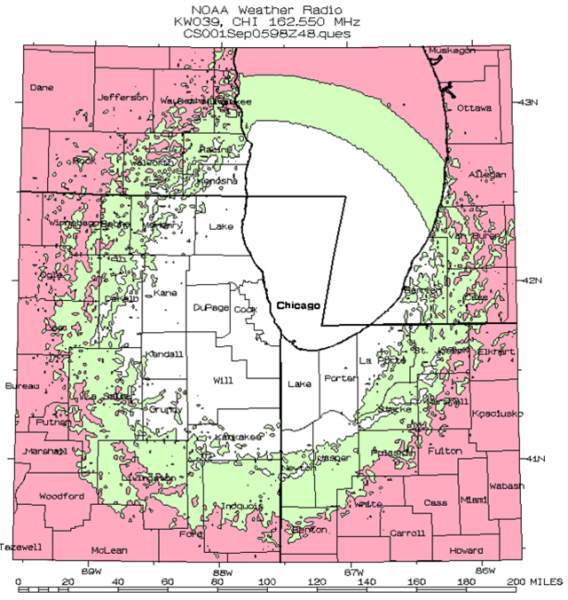
All stations broadcast of a specific frequency too, such as KIH28 from Philadelphia on a frequency of 162.475 MHz, KHB38 in Atlantic City and KEC60 in Milwaukee on a frequency of 162.400 MHz, and KWO35 in New York and KEC65 in the Twin Cites (Minneapolis/Saint Paul) on a frequency of 162.550 MHz. Average programming contains hourly weather observations, local climate data, marine forecasts, (if an office serves the Great Lakes or the coasts) and other weather information.
Specially built receivers are automatically activated to warn of the impending hazard during dangerous weather situations. These receivers also activate a warning alarm tone which will allow some radios to activate on a particular watch or warning. Reception of the broadcast signal and the warning alarm tone will vary at any location depending on how far the radio is from the transmitter, even if it’s receiver is good quality in perfect working order.
What is SAME?
In addition to the regular alarm tone, the All Hazards NOAA Weather Radio and Weatherradio Canada system includes another warning device called S.A.M.E, which is short for Specific Area Message Encoder. Unlike the normal warning tone, which alerts every radio designed to activate when the alarm tone is received within the range of the broadcast, S.A.M.E allows people with a radio that also activates because of S.A.M.E tones to be notified of advisories, statements, watches and/or warnings affecting only the counties or areas desired. Since our NWS (National Weather Service) Office is located in Mount Holly, New Jersey, contact them if you have any questions about the broadcast at (609)-261-6600 between 8:00 AM and 4:00 PM Eastern Time. You can also visit weather.gov/nwr for more information about NOAA Weather Radio online, or visit https://www.canada.ca/en/environment-climate-change/services/weatheradio/find-your-network.html for more information on Weatherradio Canada.
Where can I buy this device?
Back in the 2010s, these radios used to be everywhere, from hardware stores, to RadioShacks, to Home Depots, and more. They even were being sold back in the late 80s and 90s, even 2000s. Nowadays, due to online shopping, it’s harder to find them, especially due to most being discontinued.
However, you can buy them off of Amazon, Walmart, Target, Lowe’s, and more. You might find others from random, 3rd party companies like Nitigo or Rychi. You’ll most likely find the official ones from well-known, most recognized companies to buy them like Midland, Sangean, Reecom, RunningSnail, and Etón.
If you’re a radio collector and EAS (Emergency Alert System) Enthusiast, like me, you’ll probably resort to getting some radios off of eBay, to get the old radios, either still old, factory sealed packages, or ones used with minor use.
Most popular radios today include the Etón Zoneguard, Emgykit MD319, Sangean CL-100, Midland WR-120, Midland WR-400, Midland ER10VPs, 40s, 50s, 210s, 310s, and especially the new ER-310 PRO. Some of them even include AM/FM radio and SOS systems. Average costs can range from $10.00 to over $120.00! Some are fragile, while others are literally built to handle the worst outside conditions.
The final conclusion?
Buying a weather radio is a great option when it comes to weather and life safety for you, your family, and friends. It’s also a hobby if you wish to collect them. While you can change alert sounds on some, most are built to be loud for safety reasons.
If there’s ever a hurricane, tornado, blizzard, severe storm or other hazardous even in your area, do not fear! These radios are here to protect your life. The more people that have a radio, the more likely they are to survive and stay safe during a dangerous weather situation, or other hazards.
Even when there’s a nuclear power plant meltdown, there’s a shooter on the lose, a child has been abudcted or other dangerous event in your life, a radio is with you to keep you safe during those specific times.